


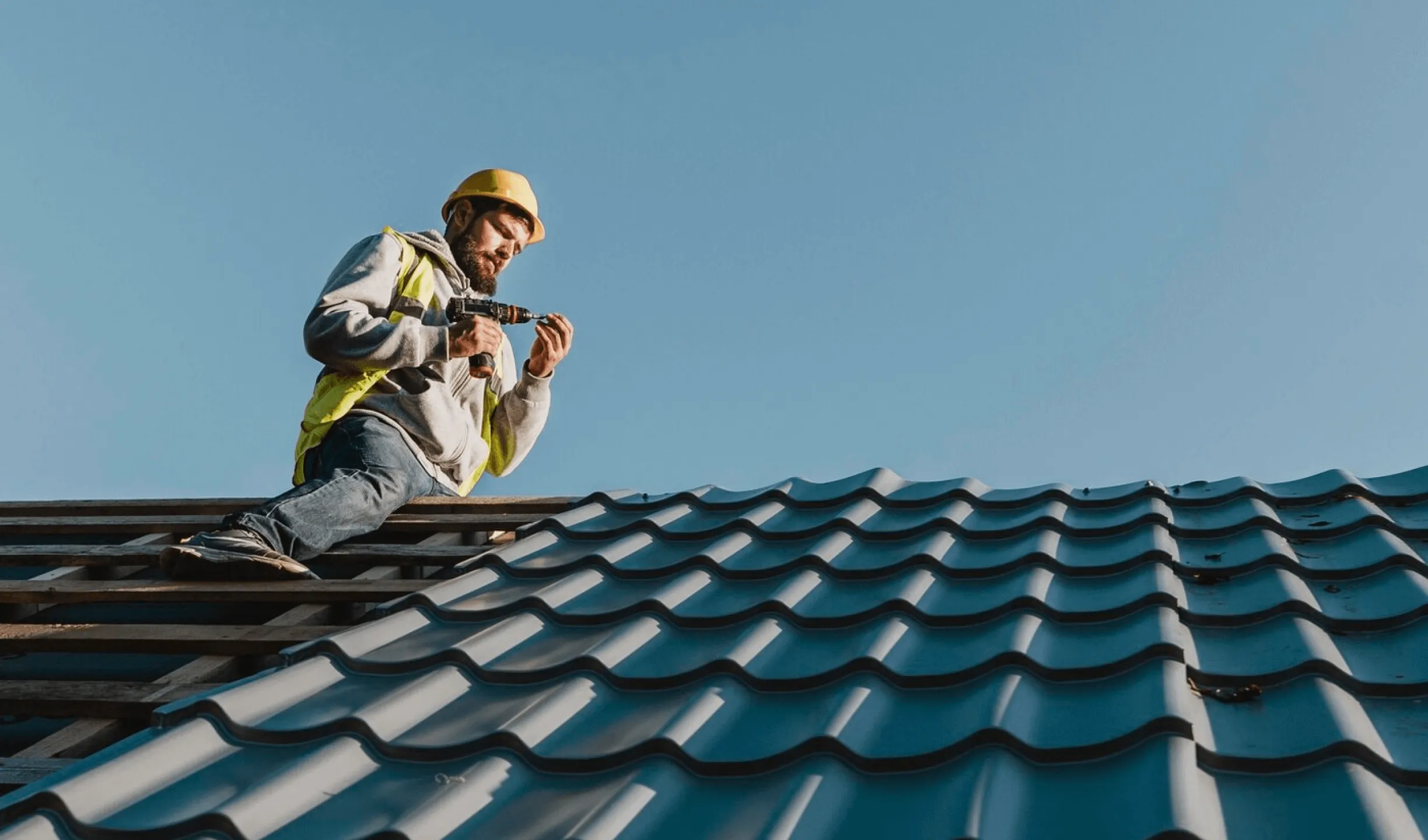
A full roof replacement on a typical UK house usually takes somewhere between three days and two weeks on site. Roofing Today puts an average three bed semi at roughly a week or two, while Checkatrade's roof replacement guidance suggests most jobs land between 3 and 7 days, with flat roofs often done in 1 to 2.
That's the honest headline. The trouble is, the number of days the roofers are physically on your roof is only part of the picture. Booking lead times, building control, the weather and whatever turns up once the old tiles come off can all move the finish line. We've been replacing roofs across Eastbourne and Sussex for more than 30 years, so this guide covers the whole timeline, not just the bit with scaffolding.
Every roof is different, but these ranges give you a sensible starting point:
If you have a slate roof and aren't sure whether it needs replacing or just some attention, our guide on how long a slate roof lasts is a good place to start.
Knowing the order of work makes it much easier to understand where the days go.
Nothing starts until the scaffold is in. The Health and Safety Executive says sloping roofs need scaffolding to stop people or materials falling, with edge protection at the eaves (and on terraced homes, at the back as well as the front). It's there for good reason. HSE figures show almost one in five construction deaths involve roof work.
The old tiles or slates, battens and felt come off and go into a skip. Northumberland's guidance suggests a day is normally enough to strip the coverings on a standard house. If any slates or tiles are good enough to reuse, they're set aside at this point.
With the rafters exposed, we can finally see what's been going on underneath for decades. Sound timbers mean the job carries straight on. Rot, woodworm or sagging rafters need putting right first, and both council guides above warn that replacing roof timbers adds time.
A new breathable membrane goes on, followed by fresh battens set to the right spacing for the chosen tile or slate. Once this layer is down, the roof is temporarily weathertight, which matters if the forecast turns.
This is usually the longest stage. Interlocking concrete tiles go down fastest. Plain tiles and natural slate take noticeably longer because there are far more pieces to fix per square metre.
Ridge and hip tiles are fixed, leadwork is dressed around chimneys, abutments and valleys, and any fascias and soffits or guttering being replaced at the same time is fitted. It's often worth doing these together while the scaffold is already up.
A last inspection, a clean up of the site and gutters, then the scaffold is taken away. Depending on the scaffolder's schedule, that can be the same week or a few days later.
A simple gable roof is far quicker than one with several slopes, dormers or rooflights. Roofing Today points to multiple pitches and features like dormer windows as key reasons one job takes longer than another.
Reclaiming slate takes time, because each one has to be checked, sorted and sometimes cut down and re-holed before it goes back on. Mixing old and new clay tiles so they blend in adds time too. Switching materials altogether, say from slate to concrete tiles, is a bigger decision. The Planning Portal says a significantly heavier or lighter covering may mean the roof structure needs checking or strengthening.
Light showers rarely stop a roofer, but high winds do. Roofing Today cites guidance to stop work when average wind speeds go above 23mph or gusts top 35mph. On the Sussex coast, that's a real consideration. We've written more about this in can roofing be done in the rain and can roofing be done in winter.
You can't always see rotten rafters or a crumbling wall plate until the roof is open. A good roofer will price for the obvious and explain how they'll handle surprises before work starts, so a day or two of extra repairs doesn't turn into a dispute.
More hands means faster progress. As Roofing Today puts it, a larger gang will generally finish sooner than a pair working alone.
According to the HSE, asbestos can be present in any home built or refurbished before 2000, including in soffits, fascias and some cement roof tiles. If it's suspected, it has to be dealt with properly before stripping goes ahead, which can add time.
Ask most homeowners how long their re-roof took and they'll tell you the on site days. Ask them how long it took from first phone call to finished roof and the answer is usually weeks longer. Here's why.
Good roofers are rarely free tomorrow. Roofing Today notes that contractors can be booked up for months ahead, so it pays to get quotes in early, particularly if you're aiming for spring or summer.
Sussex Building Control, through Horsham District Council, says that as a general rule, re-roofing 50% or more of a roof, or changing its insulation or ventilation, needs building regulations approval. Contractors registered with the NFRC's Competent Roofer scheme can self-certify their own work, which avoids waiting on separate inspections. The Planning Portal also treats the roof as a thermal element, so a re-roof should normally include improving its insulation. Without sign off, you won't have the compliance certificate you'll need when you come to sell.
Like-for-like replacement doesn't normally need planning consent, according to Horsham's guidance. Changing the type of material or raising the roof line may, and listed buildings or conservation areas bring their own rules, so check before you commit to a new look.
This one surprises people. The government's guidance on bats lists repairing or replacing a roof as an activity that can harm them, and all bat species and their roosts are protected by law. If there's a chance bats are using your roof, a survey may be needed, and a licence from Natural England if they can't be avoided. Surveys are seasonal, so finding out late can push a project back by months.
Almost never. Pitched roof work happens from the outside, so you can carry on living at home. Expect noise on stripping days and some dust in the loft, so it's worth covering anything you store up there. Keep the driveway and garden around the house clear for the skip and scaffold, and let your neighbours know when the work is booked.
If you're not sure whether you need a full replacement at all, our roundup of common roofing problems in UK homes can help you tell the difference between a repair and a re-roof.
At C&C Roofing we'll inspect your roof, explain your options and give you a clear quote with a realistic timeframe, so there are no surprises once the scaffold goes up. Whether it's a pitched roof or a flat roof, we've been looking after homes across Eastbourne and Sussex for over three decades. Get in touch for a free quote and we'll help you plan the work around your diary.
How long does it take to replace a roof on a three bed semi?
Most three bed semi detached houses take around one to two weeks on site, according to Roofing Today. A straightforward tiled roof in good weather can be quicker, while natural slate, timber repairs or several bad weather days can push it towards the longer end.
How long does a flat roof replacement take?
Smaller flat roofs on garages and extensions are often replaced in 1 to 2 days. Larger roofs, or ones where the deck or insulation needs replacing, take longer. Our guide to the best material for a flat roof explains how different systems compare.
Can a roof be replaced in one day?
A small flat roof sometimes can, but a pitched roof on a house can't. Stripping alone usually takes most of a day, and the membrane, battens, tiles, ridge and leadwork all follow. Be wary of anyone promising a full house re-roof in a single day.
Does a roof replacement need building regulations approval?
Usually, yes. Sussex Building Control advises that re-roofing 50% or more of a roof, or changing insulation or ventilation, generally needs approval. A Competent Roofer registered contractor can self-certify the work, and you should always get the completion certificate.
Can you replace a roof in winter?
Yes, but it often takes longer because of wind, rain, frost and shorter days. Many homeowners prefer to book for spring or summer if the roof can safely wait. Read more in our post on whether roofing can be done in winter.

