


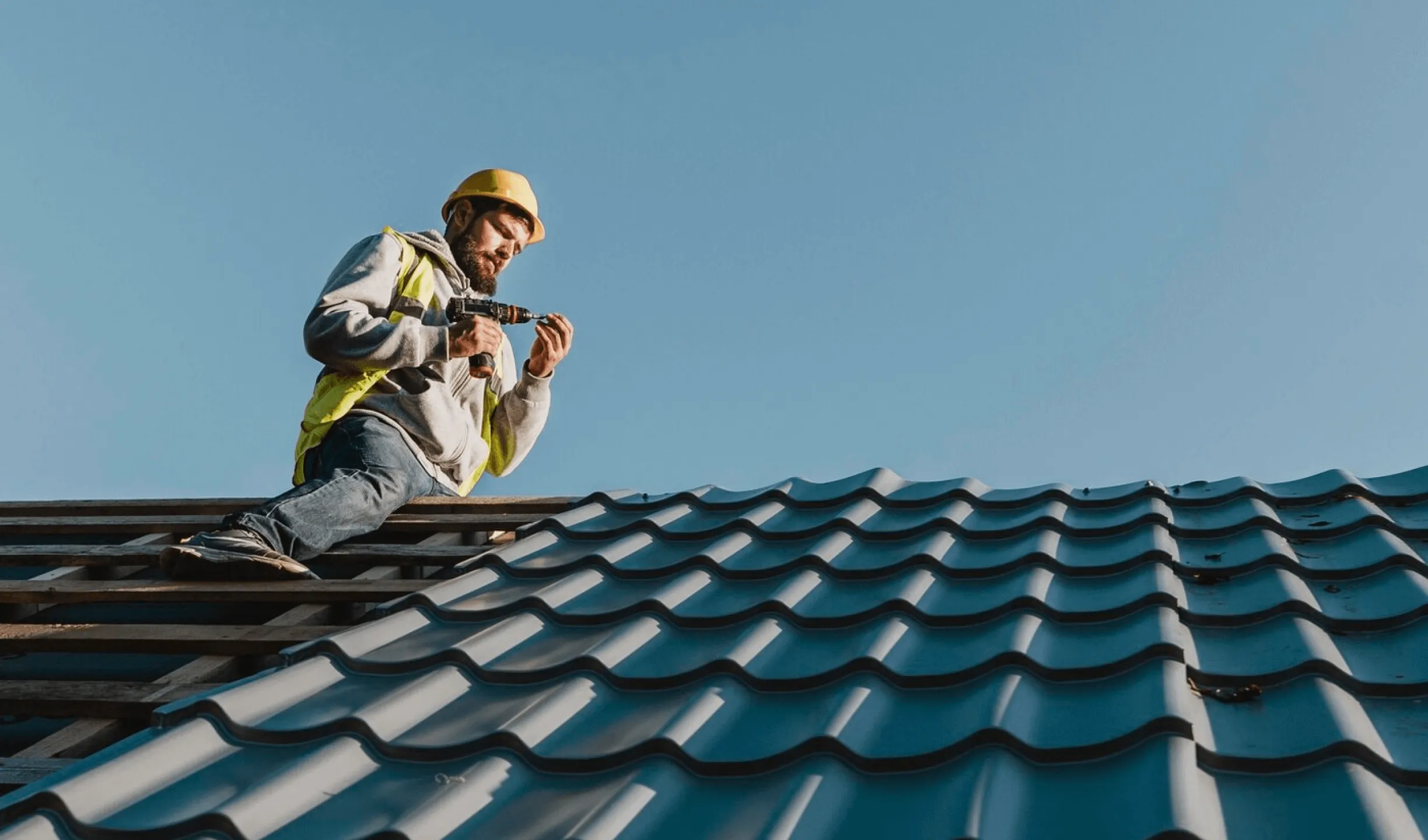
Yes, roofing work can be done in winter, and a professional roofer will carry on working through the colder months rather than downing tools until spring. Cold, wet weather does bring extra considerations though, from frozen materials to shorter daylight hours, and a good roofer plans around them rather than ignoring them.
If you've got a leak that needs fixing or storm damage that's showing, there's rarely a good reason to wait for warmer weather. Here's what actually changes about roofing work in winter, and what to expect if you're booking a job over the colder months.
Safety is the main thing that changes, not whether the work can happen at all. The Health and Safety Executive is clear that roof work shouldn't go ahead in rain, ice, frost or strong winds, since these conditions turn a secure footing into a genuine slip hazard. Falls from height remain one of the most common causes of serious injury in UK construction, which is exactly why a competent roofer will check conditions before going up and postpone if the roof isn't safe to work on that day.
This is the real answer to whether winter roofing is safe. It's not about the calendar date, it's about the conditions on the day, and a professional team builds that flexibility into how they plan a job.
Most repairs can be carried out just as effectively in winter as in summer. Fixing a leak, replacing a handful of damaged tiles, or repairing storm damage to a pitched roof doesn't depend heavily on temperature, and leaving it until spring usually just gives the damage longer to get worse.
Full roof replacements are more weather sensitive. Certain roofing felts, bitumen products and adhesives are designed to work within a specific temperature range, and in genuinely cold conditions they can become brittle or fail to bond properly. Tiles that have frozen overnight are also more likely to crack if they're lifted or repositioned, so a good roofer will wait for milder conditions to carry out that part of the job rather than risk it.
Modern flat roofing systems such as EPDM rubber stay flexible even in low temperatures and can be installed through winter with the right preparation, though adhesives and sealants need to be handled carefully in the cold.
Roofline work such as fascia and soffit replacement and new guttering isn't a seasonal trade at all. Temperature has very little effect on this kind of installation, and most projects go ahead through the colder months without any issue. Rain and reduced daylight are more likely to affect the schedule than the cold itself.
New or repaired leadwork around chimneys and valleys can be carried out in winter too. The main thing to watch for is frost, since it can make the surrounding tiles brittle and harder to lift safely without cracking them. A roofer working on flashing in winter will usually check the tiles around it before starting rather than force the job through in unsuitable conditions.
A small leak or a handful of slipped tiles rarely stays small over a wet British winter. Water finds its way in gradually, and what starts as a minor repair can turn into damp, rot or a much bigger job by the time the weather warms up. If your roof needs attention now, it's almost always better to get it looked at straight away rather than wait.
With over 30 years of experience across Eastbourne and the surrounding Sussex area, our team works through the colder months as standard, planning around the weather rather than letting it dictate the calendar. Whether it's an urgent repair or a project you'd like sorted before the worst of winter sets in, get in touch for a quote.
Is it more expensive to get roofing work done in winter?
Not with a reputable roofer. Weather delays can occasionally extend the timeline, but the price of the job itself shouldn't change just because it's taking place in winter rather than summer.
Can a full roof replacement be done in winter?
Yes, though it depends on the materials involved and the weather on the day. Some felts and adhesives need milder temperatures to bond properly, so your roofer may schedule around a dry, less cold spell for that part of the job.
What temperature is too cold for roofing work?
There's no single legal cut-off, but many roofing materials perform best above around 4°C. Below that, some adhesives and felts can become brittle or fail to bond correctly, which is why timing matters more than it does in summer.
Will winter roofing work take longer than in summer?
It can, mainly due to shorter daylight hours and the chance of a weather delay. A good roofer builds this into the schedule from the start so there are no surprises.
Should I wait until spring to get a leak repaired?
No. A leak left over winter tends to get worse, not better, as more rain gets into the same weak point. It's almost always cheaper and safer to get it looked at straight away.

